Best Electric Boat Motors for Fishing
Silent and Steady: How Trolling Motors Transform Your Boating Experience
Trolling motors have emerged as indispensable equipment for contemporary water sports enthusiasts. They provide silent navigation, enabling boaters to navigate delicate environments undisturbed. This noiseless performance achieves more than just lowering acoustic interference; it simultaneously improves angling results by drawing in greater numbers of fish. As anglers prioritize performance and ecological awareness, grasping the benefits and capabilities of trolling motors grows increasingly important. What criteria should guide one's decision-making process?
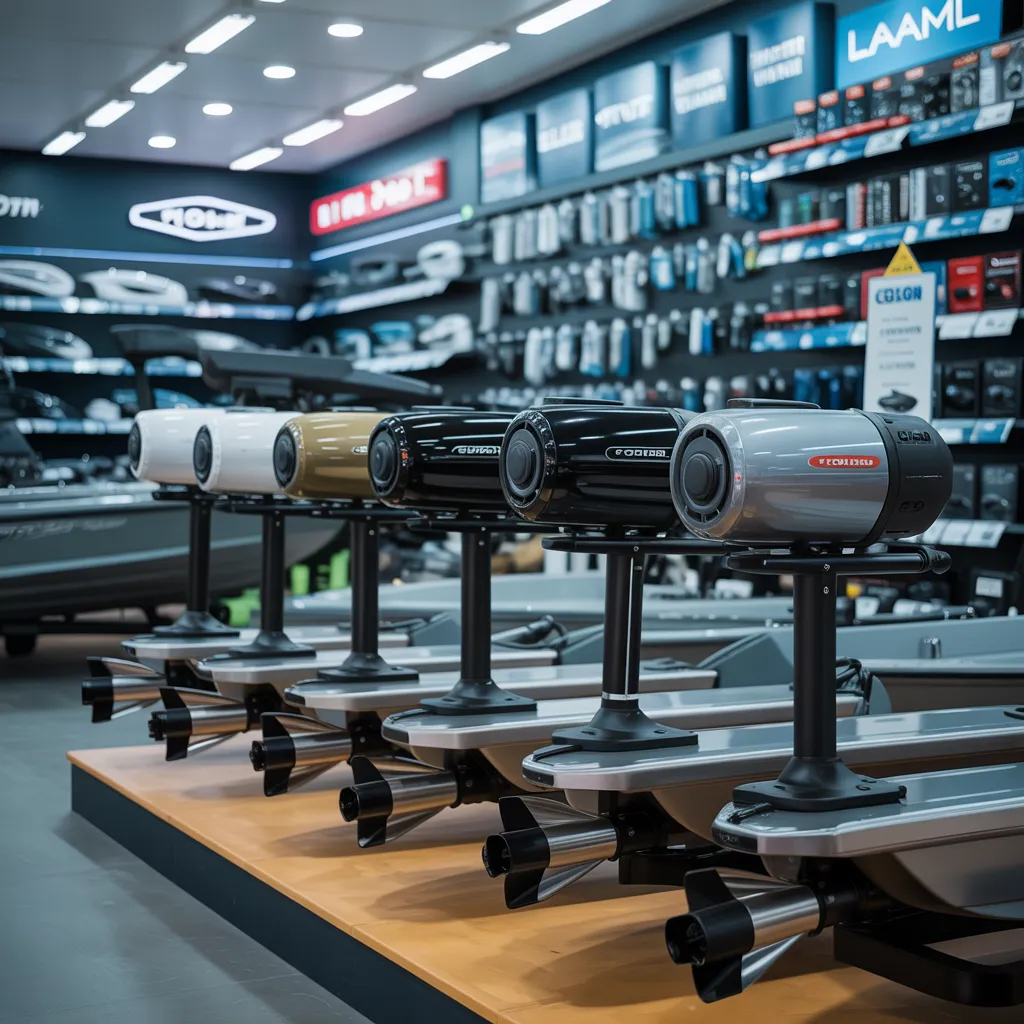
The Benefits of Using Trolling Motors for Boating
Trolling motors offer numerous advantages for water sports enthusiasts, particularly when precision and stealth are essential. These motors deliver a significantly quieter performance compared to standard outboard propulsion systems, enabling boaters to move through sensitive areas without alarming the surrounding wildlife. Their capability to hold a gradual, stable velocity is ideal for various activities, including navigating confined waterways and discovering new areas.
Moreover, trolling motors are frequently known for their energy efficiency, extending the battery life during outings. This efficiency enables longer trips without the need for frequent recharging. Trolling motors offer remarkable versatility, enabling straightforward installation across a wide range of boats, spanning from small fishing boats to full-sized recreational vessels.
Additionally, numerous models come built with advanced features such as GPS navigation and autopilot capabilities, elevating overall maneuverability. Consequently, such motors not only enhance operational control but also foster a more enjoyable and sustainable watercraft experience for boating enthusiasts.
How Trolling Motors Elevate Fishing Experiences
The advantages of trolling motors extend beyond general boating, significantly improving fishing experiences. These motors give anglers exact management of their boat's velocity and heading, permitting perfect positioning near areas rich with fish. The silent running of trolling motors minimizes disturbances in the water, improving the chances of attracting fish that could otherwise be frightened by standard boat engines.
Moreover, the capacity to sustain a slow and steady pace enables fishermen to perform various techniques, such as casting or slow trolling, with greater effectiveness. Trolling motors also facilitate easier maneuvering in confined areas, such as coves or around submerged structures, which are frequently ideal fishing spots. This versatility allows anglers to venture into different settings with assurance. Overall, the integration of trolling motors into angling excursions significantly improves a notably efficient and pleasurable experience on the water.
The Environmental Benefits of Trolling Motors
Although numerous boating enthusiasts focus on performance and convenience, the environmental advantages of trolling motors are equally noteworthy. These electric motors run quietly and effectively, limiting noise pollution that could disturb marine life. Unlike traditional gas-powered engines, trolling motors generate no emissions, decreasing harmful contaminants that lead to water quality deterioration.
In addition, their modest energy consumption ensures that users can benefit from longer outings without depleting battery resources rapidly. This effectiveness promotes a eco-friendly approach to boating, allowing enthusiasts to explore nature without leaving a considerable carbon footprint.
Trolling motors additionally support responsible fishing practices by allowing fishermen to traverse sensitive habitats without creating disturbance. Their smooth performance works to maintain fragile aquatic environments, ensuring that waterways remain pristine for generations to come. As an increasing number of boaters embrace trolling motors, the combined impact may result in healthier aquatic environments, making them a compelling choice for environmentally conscious enthusiasts.
Essential Features to Consider When Choosing a Trolling Motor
When picking out a trolling motor, several critical features demand attention. Motor power and thrust determine performance, while battery longevity influences how long you can stay on the water. Furthermore, shaft length options can impact the motor's effectiveness in various fishing conditions.
Motor Strength and Thrust
Thrust and motor power are essential considerations when choosing a trolling motor, as they directly influence a boat's efficiency and control on the water. Thrust, measured in pounds, determines how effectively a motor can move a boat through water and overcome current or wind resistance. As a rule, motors with greater thrust ratings offer improved control and handling, particularly for larger or heavier vessels. Beyond thrust, motor power, usually expressed in horsepower or watts, has a direct impact on the speed and overall efficiency of the motor. Selecting the ideal combination of thrust and motor power ensures optimal performance suited to individual boating requirements, whether navigating calm fishing waters or tackling demanding conditions. A thorough grasp of these factors enables boaters to significantly improve their time spent on the water.
Battery Life Considerations
Battery life considerations are crucial in the overall effectiveness of a trolling motor, as they dictate how long a vessel can run before requiring a recharge. When picking a trolling motor, the type of battery—including lead-acid or lithium-ion—impacts both efficiency and lifespan. Lithium-ion batteries typically offer longer life cycles and lighter weight, improving handling. Moreover, examining the amp-hour rating offers clarity on how extensively the trolling motor can function at varying thrust settings. It is equally essential discover this to consider the efficiency of the motor and the vessel's weight, as these factors influence battery consumption. Understanding these elements allows boaters to make informed decisions, guaranteeing a seamless and pleasurable time on the water.
Shaft Length Choices
Selecting the right shaft length is essential for enhancing a trolling motor's effectiveness. The shaft length plays a key role in how well the motor performs in different water conditions. In most cases, longer shafts are recommended for challenging or deeper water environments, as they make certain the propeller remains submerged and maintains thrust. In contrast, shorter shafts are ideal for shallow water environments, providing improved control and handling.
When choosing a trolling motor, it is essential to consider the boat's transom height and the projected water depth. A proper fit eliminates cavitation and boosts efficiency. Manufacturers generally supply various lengths, typically spanning 30 to 60 inches, enabling users to select based on their individual boating requirements and circumstances. Ultimately, the right shaft length contributes greatly to a smoother, more effective boating experience.
How to Maintain Your Trolling Motor
Upkeeping a trolling motor is important for peak efficiency and durability. Routine checks and maintenance, along with proper battery maintenance and storage practices, are key factors in ensuring its dependability. By applying these guidelines, anglers can boost the reliability and effectiveness of their watercraft motors.
Periodic Inspection And Cleaning
Routine inspection and maintenance of a trolling motor are critical for optimal performance and long-term durability. Over time, debris, algae, and corrosion can accumulate, negatively affecting the motor's efficiency. Regular maintenance should involve inspecting the propeller for any signs of damage and ensuring it rotates without obstruction. The motor's exterior should be wiped down to remove any buildup, while the electrical connections must be inspected for corrosion or wear. Additionally, the shaft should be cleaned to prevent rust and guarantee smooth operation. At the conclusion of each excursion, flushing the motor with freshwater is strongly suggested, especially when it has been used in saltwater conditions. Through adhering to a consistent maintenance and cleaning routine, boat operators can significantly improve their trolling motor's dependability and prolong its service life.
Battery Upkeep Advice
Proper battery maintenance is crucial for guaranteeing the lifespan and efficiency of a trolling motor. Consistently examining battery connections for corrosion is important, as clean terminals support effective power delivery. It is recommended to maintain the battery's charge, avoiding complete discharge, to prolong its service life. Furthermore, utilizing a high-quality battery charger suited to the particular battery type can help avoid overcharging, which may cause damage. Keeping track of the battery's water levels is similarly critical; distilled water ought to be added when necessary for lead-acid batteries. In addition, housing batteries in a cool, dry space can aid in avoiding premature aging and breakdown. Applying these maintenance practices will greatly enhance the consistent functionality of a trolling motor.
Appropriate Storage Techniques
Proper storage practices are essential for extending the life of a trolling motor and maintaining peak performance. To optimize longevity, it is crucial to clean the motor thoroughly after each use, clearing away any debris and saltwater buildup. For proper storage, it is advisable to store the motor in a dry, climate-controlled space to avoid corrosion and potential damage. The propeller must be taken off and stored apart to avoid unintentional engagement. Additionally, disconnecting the battery and storing it in a cool place can significantly reduce battery deterioration. Frequent examinations for signs of wear will help identify any potential issues early. By implementing these best practices, anglers can keep their trolling motors in top condition, guaranteeing dependable performance on future trips.
Gas vs. Electric Trolling Motors: Which Is the Right Choice for You?
When deciding between gas and electric trolling motors, you may find yourself wondering which option best suits their specific boating requirements. Electric trolling motors are recognized for their noise-free operation and green credentials, making them ideal for angling in calm waters where silence is key. They are typically easier to maintain and operate, as they demand nothing more than recharging the battery. However, their reach can be restricted by the available battery charge.
In contrast, gas-powered trolling motors provide greater power and extended running times, making them ideal for larger vessels or lengthy excursions. They are capable of managing harsher conditions and frequently deliver superior thrust. However, they do have disadvantages, such as noise, exhaust emissions, and more demanding maintenance needs.
At the end of the day, the choice depends on the watercraft operator's personal requirements, including the body of water, duration of outings, and personal preferences relating to maintenance and environmental impact.
Commonly Asked Questions
Are Trolling Motors Compatible with Any Type of Boat?
Trolling motors can be used on many different boat styles, including fishing vessels, pontoon boats, and compact watercraft. Nevertheless, proper compatibility relies on the boat's size, weight, and intended use, demanding precise selection to achieve the best results.
What Speed Can a Trolling Motor Reach?
Trolling motors typically reach speeds of between 3 and 5 miles per hour, according to the model and type of boat. These motors emphasize quiet performance and accuracy rather than speed, making them perfect for fishing and relaxed outings.
Is a Special Battery Needed for Trolling Motors?
Trolling motors typically require deep-cycle battery units, engineered for prolonged discharge cycles. These batteries guarantee peak performance and longevity, since they supply steady power throughout long durations, unlike conventional batteries that can drain too rapidly.
Are Trolling Motors Easy to Install?
Trolling motors are generally quite simple to install, depending on the model and the boat type. The majority include straightforward instructions, however a few may need simple tools and a degree of mechanical know-how for the best results.
What Is the Average Lifespan of a Trolling Motor?
The standard lifespan of a trolling motor system usually falls from ten to fifteen years, influenced by environmental factors, usage, and upkeep. Proper care can considerably extend its longevity and performance in diverse boating environments.